Showing posts with label rehabilitation. Show all posts

Monday, April 5, 2021

When Can Physical Therapy Prevent Surgery?

by Sally Fansler, PT
While more than 1.5 million orthopedic surgeries are performed in the U.S. each year, current research is showing that surgery might not be needed as often as previously thought. According to a recent review an estimated 10% to 20% of surgeries might not be necessary and in some specialties - such orthopedics - that number could be higher. One of the most common reasons for unnecessary surgery is that conservative options simply are not tried first. For musculoskeletal problems like joint pain, sprains, and strains, seeing a physical therapist before a surgeon can help keep patients out of the operating room and get them back to their daily lives sooner. Studies have shown that physical therapy is just as good - if not better - than surgery for a multitude of conditions, and it carries far less risk. We've compiled some research here as to the benefits of seeking physical therapy first for common orthopedic problems. 

Rotator Cuff Tears 

The rotator cuff is a group of muscles and tendons that surround the shoulder joint and provide strength and stability. When one of the rotator cuff muscles is frayed or damaged, it is considered a partial tear, whereas a complete tear is more severe and can actually pull the tendon from the attachment on the bone. Tears happen over time from normal wear and tear, or they can happen traumatically with a fall or strain. 

Small- to medium-sized tears typically respond quite well to physical therapy. A 2016 review of medical literature noted that conservative PT treatment for rotator cuff tears is effective in 73-80% of patients. While this efficacy rate depends on the age and medical history of the patient, the location of the tear, and the severity of the tear, more often than not surgery can be avoided (though in the case of a massive rotator cuff tear or a retracted tendon, the positive response to physical therapy may be reduced).

Meniscal Tears 

One of the most common knee injuries, meniscal tears are typically caused by an activity that twists the knee, and often occur when underlying osteoarthritis is present. An estimated 460,000 patients in the United States get surgery each year to fix tears in this C-shaped piece of cartilage, which acts like a cushion for the knee joint. 

Researchers are currently studying the effectiveness of surgery versus physical therapy in those patients with meniscal tears and knee arthritis. In a study of 351 patients who were 45 years and older with meniscal tears and osteoarthritis, half received physical therapy while the other half underwent surgery. The research did not find any significant differences after 6 months in those who received physical therapy alone and those who had surgery. Additionally, a 2017 literature review found that arthroscopic surgery for degenerative knee disease (including arthritis and meniscal tears) did not give lasting pain relief or improved function. Often, physical therapy is the optimal place to start to address this common knee injury.

Low Back Pain 

One type of back pain, called spinal stenosis, is a degenerative disease that causes narrowing of the space in the spinal canal. This narrowing creates pressure on spinal nerves and can become increasingly painful. Spinal stenosis is sometimes treated with surgery, but physical therapy often works just as well and comes with fewer unwanted complications than surgery, according to a study published in Annals of Internal Medicine in 2015. 

 Degenerative disk disease is also a common cause of back pain and has been studied extensively. Disk patients are sometimes treated with a surgical spinal fusion. However, a 2013 study found no major difference in outcomes between patients who had surgery for degenerative disk disease and those who chose physical therapy instead. 

Physical therapy can't fix every problem, and for some patients, surgery really is the best choice. However, the research continues to demonstrate that surgery is not a cure-all, and in fact is sometimes a very expensive and risky placebo. In many cases, physical therapy is the place to start - and for some, it's the only treatment necessary. 


References: 

Peter Edwards, Allan Wang. "Exercise Rehabilitation in the Non-Operative Management of Rotator Cuff Tears: A Review of the Literature". Pubmed Central (PMC), 2021.

"Surgery Versus Physical Therapy For A Meniscal Tear And Osteoarthritis". Vol 369, no. 7, 2013, pp. 683-683. Massachusetts Medical Society, doi:10.1056/nejmx130035. 

Siemieniuk, Reed A C et al. "Arthroscopic Surgery For Degenerative Knee Arthritis And Meniscal Tears: A Clinical Practice Guideline". BMJ, 2017, p. j1982. BMJ, doi:10.1136/bmj.j1982. 

Kuhn, John E. et al. "Effectiveness Of Physical Therapy In Treating Atraumatic Full-Thickness Rotator Cuff Tears: A Multicenter Prospective Cohort Study". Journal Of Shoulder And Elbow Surgery, vol 22, no. 10, 2013, pp. 1371-1379. Elsevier BV, doi:10.1016/j.jse.2013.01.026. 

Barrer, Steven J. "Surgery Versus Nonsurgical Treatment Of Lumbar Spinal Stenosis". Annals Of Internal Medicine, vol 163, no. 5, 2015, p. 396. American College Of Physicians, doi:10.7326/l15-5129.

Friday, January 15, 2021

More Than Just a Pose: Yoga and Physical Therapy

by Amber Yavitz,
Front Office Coordinator
Over my past two years at Lakeshore Physical Therapy, many patients have asked me for yoga class recommendations based on which teacher is the most beginner-level friendly. I’ve been learning yoga since I was nine years old and am in the process of becoming a certified yoga instructor, but for someone who has had a previous injury or hasn’t had much experience with yoga, the practice can sound understandably intimidating. Yoga - Sanskrit for “union” - uses spiritual and physical meditation, breathing and exercise techniques to improve overall health. In fact, physical therapy often uses poses originating from yoga to help people with injuries to help them build muscular strength, balance, and flexibility.

One of the most foundational components of yoga is building an awareness of breath. Yoga instructors guide practitioners through breathing techniques, which are used to help flow through each pose and movement and aid in stabilization of a pose. While  most yoga poses and breathing techniques are used for the intention of relaxation and mindfulness, physical therapy also uses breathing techniques to teach postural awareness and emphasize controlled breathing.


If you’re new to yoga, don’t be intimidated by some of the more advanced poses you may have seen! Modifications and variations are given in most yoga classes, especially for people who are not as flexible or experienced, and your physical therapist can always work with you to modify poses that fit within your restrictions. Yoga is an ongoing practice to learn your body and improve movement, and regularly practicing yoga can help with body awareness and clearing one’s mind to center attention. If you have done physical therapy before, chances are you already know more than you think - below are some poses that you may have seen or done before!


Child’s Pose

Child’s pose is a rest pose that is used in yoga to calm and ground the practitioner. Its main benefit is increasing flexibility by creating a gentle stretch for the back and hips, which is a common goal for physical therapy programs for low back and hip pain. Deep breathing in this pose can relax the body, especially after more difficult yoga sequences or exercises.


Warrior One and Two

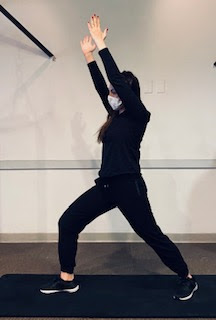
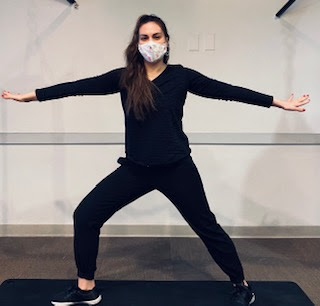
These standing poses help with balance and focus while opening the hips and chest. By utilizing longer holds, they can also help strengthen the shoulders, legs, and back. Note that the difference between these two poses is the arm position: in Warrior One arms are up, and in Warrior Two arms are opened wide to the side.


Warrior One
Warrior Two


Sphinx Pose

Sphinx pose is a softer back bend that can stabilize the shoulders and lengthen the abdomen. This is a beginner pose that can prepare the body for more advanced poses later in your practice. This allows the practitioner to keep the pressure off the back while still opening the chest. In physical therapy, Sphinx Pose can be a good way to work on gradual extension in the back until you are ready for an Upward Facing Dog pose.


Low Lunge

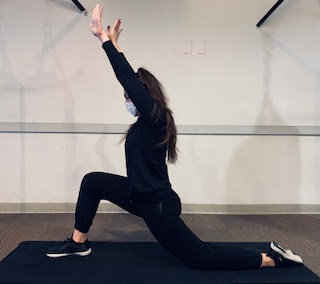
The Low Lunge is used in many yoga sequences and there are many variations for different comfort levels. This position stretches the hip flexors and quads, helping to  restore range of motion in the hips. Many people are very tight in their hips due to living a sedentary lifestyle and so may require modifications depending on how tight the muscles are.


If you are experiencing an injury, physical therapy and yoga together can work hand in hand to ensure optimal recovery. Once you have graduated from physical therapy, continuing yoga will help the body maintain strength gains, decrease stress, and prolong flexibility.


Tuesday, November 10, 2020

All You Knee-d to Know: the ACL

by Kelly Thomsen, PT 
That sudden “pop.” That buckling of the knee. No athlete wants experience those sensations on the playing field, yet ACL injuries are one of the most common knee injuries sustained in young athletes. It is estimated that up to 250,000 individuals sustain an ACL per year in the United States alone (CDC).

To understand how this injury can occur, it is important to understand the anatomy of the knee and the role the ACL has in the body. Three bones come together in order to form the knee joint: the femur (upper thigh bone), tibia (shin bone), and patella (knee cap). These bones are connected by ligaments, which keep the knee stable. There are four major ligaments in the knee:

  • Anterior cruciate ligament (ACL)
  • Posterior cruciate ligament (PCL)
  • Lateral collateral ligament (LCL)
  • Medial collateral ligament (MCL)

The ACL’s job is to resist excessive forward movement of the lower leg bone in relation to the upper leg. It also limits excessive rotation of the knee and functions to keep the knee stable during activities such as running, jumping, cutting, or pivoting. Given the ACL’s role in providing knee stability, most ACL tears tend to occur during non-contact activities, such as changing directions, a sudden twisting motion, cutting, pivoting, or landing improperly following a jump. While tears can happen due to a contact injury - such as a direct blow that causes the knee to bend inward - sports such as soccer, basketball, and volleyball, which require a high dynamic loading of the knee, can lead to a higher prevalence of ACL injury. Young athletes tend to run the highest risk of injury, with those between the ages of 15 and 25 at the greatest risk (Nessler et al 2017); young female athletes are at more than 3.5 times more likely to tear their ACL compared to their male counterparts.

Keeping the muscles surrounding the knee strong and flexible can prevent many ACL injuries. Research has shown that using a combination of plyometric exercises, neuromuscular training, and strength training should be utilized to reduce ACL injury risk (Voskanian, N., 2013). Focusing on single leg strength is important, as well as hip and core stability. Below are a few examples of exercises to incorporate into your routine:

Nordic hamstring curls (need a partner)!

  1. Kneel on a soft surface keeping your knees hip width apart. Have your partner kneel behind you, gripping your legs just above the ankles to secure your feet from lifting up. Slowly lean forward, using your hamstrings to control the motion. Make sure to keep your abdominal engaged and back flat. Once you can no longer hold the position, use your arms to gently lower yourself and fall into a press up position.
  2. Begin with 1 set of 5 repetitions. As you get stronger, perform 10-15 repetitions.

Walking lunges

  1. Begin with feet shoulder width apart. Take a step forward, bending your front knee. Allow your back knee to bend as well until it comes close to the floor. Continue to move forward as you bring your back leg forward to bring both feet together again. Repeat with other leg, and continue alternating sides as you move forward. Hips should stay level the entire time. Do not let your front knee pass over the front of the foot, and try to keep the knee in line with your second toe. Keep your chest up as you walk forward.
  2. Perform 20 reps with each leg. 

Single leg squats (heel taps)

  1. Standing on the edge of a step, slowly lower the opposite foot down to the floor. Tap this foot to the floor but do not put any weight through the leg. Make sure to keep hips level as you lower. The knee on your stance leg should stay lined up with the second toe as you bend it. Return back to full standing. Movement should be slow and controlled. For a challenge, perform on a higher step.
  2. Perform 2 sets of 10-15 reps.

Calf Raises

  1. Standing with feet hip width apart, push up onto your toes, lifting your heels off the ground. Slowly lower back down. For a challenge, perform this on a step with heels hanging off, or perform on one leg at a time!
  2. Perform 2 sets of 10-15 reps.
Squat Jumps

  1. With feet hip width apart, squat down keeping knees aligned with toes. Knees should not move past the toes. Use both legs to push into a jump in the air. As you come back down from the jump, lower yourself back into the squat position.
  2. Knees should stay aligned with the feet, and should not cave in toward each other.
  3. Perform 2 sets of 10 reps.

 Double-Leg Drop Jump to Stick

  1. Begin standing on an 8-10 inch box. Step down from the box with one leg, gently landing on both legs. You should land with a soft bend in the knees, keeping the knee stable and over the foot. The knee should not bend inward. Try to stick the landing for about 2-3 seconds.
  2. For a challenge, try landing on one leg.
  3. Perform 2 sets of 10-15 reps.

These exercises should be done at least 3 times per week and should take approximately 15-20 minutes each time. It is important to take rest days and alternate hard workouts with lighter workouts for your body to adequately recover (Voskanian et al 2013).  Make sure to check in with your physical therapist for feedback and education in regard to body mechanics and proper form during exercise.


References:

Arundale, Amelia J.h., et al. “Exercise-Based Knee and Anterior Cruciate Ligament Injury Prevention.” Journal of Orthopaedic & Sports Physical Therapy, vol. 48, no. 9, 2018, doi:10.2519/jospt.2018.0303.

Gokeler, Alli, et al. “A Novel Approach to Enhance ACL Injury Prevention Programs.” Journal of Experimental Orthopaedics, vol. 5, no. 1, 2018, doi:10.1186/s40634-018-0137-5.

Nessler, Trent, et al. “ACL Injury Prevention: What Does Research Tell Us?” Current Reviews in Musculoskeletal Medicine, vol. 10, no. 3, 2017, pp. 281–288., doi:10.1007/s12178-017-9416-5.

Petushek, Erich J., et al. “Evidence-Based Best-Practice Guidelines for Preventing Anterior Cruciate Ligament Injuries in Young Female Athletes: A Systematic Review and Meta-Analysis.” The American Journal of Sports Medicine, vol. 47, no. 7, 2018, pp. 1744–1753., doi:10.1177/0363546518782460.

Runyan, Carol. “CDC - Injury - ICRCs - CE001495.” Centers for Disease Control and Prevention, Centers for Disease Control and Prevention, 13 July 2010, www.cdc.gov/injury/erpo/icrc/2009/1-R49-CE001495-01.html.

Voskanian, Natalie. “ACL Injury Prevention in Female Athletes: Review of the Literature and Practical Considerations in Implementing an ACL Prevention Program.” Current Reviews in Musculoskeletal Medicine, vol. 6, no. 2, 2013, pp. 158–163., doi:10.1007/s12178-013-9158-y.


Friday, October 9, 2020

Happy National Physical Therapy Month!

by Sally Fansler, PT

Every October we celebrate National Physical Therapy Month, an annual opportunity to raise awareness about the benefits of PT. We are proud of our profession and feel grateful to be able to help people move better, achieve their goals, and live pain-free every day!


Friday, September 11, 2020

Rocking the Wall

by Constance Karwandyar, PT
If you’ve ever been inside Lakeshore Sport and Fitness at the Illinois Center in downtown Chicago, the first thing you’ll likely notice is the monumental rock climbing wall. Spanning 10 stories, this wall currently sits as the tallest indoor rock wall in North America! While humans have always been drawn to scaling heights, rock climbing as a common indoor sport only dates back to the 1980s. As the sport grows in popularity, so too, unfortunately, do the number of rock climbing related injuries that often go undiagnosed and untreated.

According to a recently-published article in PT in Motion magazine, some of the most common rock climbing related injuries involve the hands, elbow, and shoulder due to the pulling nature of the sport and strong need for finger and hand holds. Landing and falling related injuries are also common in the foot and ankle. Jared Vagy, DPT - dubbed “The Climbing Doctor” due to his extensive experience in both physical therapy and rock climbing - claims that 40% of rock climbing injuries are in the fingers. Strains to the pulleys of the finger are common due to the overuse of the flexors of the fingers and wrist. The pulleys on the palm side of the fingers work to hold the finger flexor tendons close as they slide back and forth when we curl and extend our fingers (think of the rings on a fishing pole that the fishing line runs through). A strain or rupture to one could cause bowstringing of the flexor tendons, difficulty with curling and extending the fingers, swelling, and pain.

An illustration of the flexor tendons in the fingers.
By Steve Graepel, www.rockandice.com.
As with any sport, injury prevention and education is a top concern for physical therapists.
Imparting specific and proper warm-up techniques to climbers is key to making sure they prime their entire bodies before they ascend any indoor wall or mountain face. Using larger hand holds on the first ascend allows proper blood flow to enter the upper extremities, especially in the hand and fingers. Climbers can also use a “downclimb” to work these muscles eccentrically, lowering themselves in a slow and controlled manner instead of repelling down the wall on the first climb. Properly warming up “pulling muscles” such as lats, biceps, and rhomboids will also ensure proper blood flow and tissue temperature before climbers begin. 

Even with proper warm-up technique, injuries do still occur. Rehabbing a climbing injury takes some critical thinking to identify the root of the injury and not just simply treat the symptoms. For example, if a climber experiences a finger injury, it is important to assess shoulder, core, and lower body strength, as a deficit in any of these categories can cause an over-reliance on the fingers during holds and grips. Additionally, working on upper body strengthening and stability training in a closed kinematic chain (hand on the ground, wall, or rock wall) as opposed to open kinematic chain (hand free in the air such as swinging a baseball or performing a bicep curl) can mimic the way the rotator cuff and scapular muscle have to work together on the rock wall.

Another key component to prevention and treatment is training the antagonist muscle groups (or the opposing/opposite muscles). As previously mentioned, climbers tend to overuse and overdevelop the forearm/finger flexors so working on strengthening the forearm/finger extensors to improve balance is important. Below you will find a few examples of how to strengthen finger extensors at home.

(L) Half Crimp Extensor Isometric, (R) Open-Handed Extensor Isometric
Resisted Finger Extension


As with any injury, thorough assessment of strength, range of motion, and body mechanics is key to a proper diagnosis and treatment approach. No two rock faces are the same, just like no two finger injuries are the same. If you have experienced a rock climbing injury or are interested in learning proper warm up and injury prevention techniques before your next climb, come see one of our experienced clinicians. Complimentary injury assessments are also available in-person or via telehealth.


References:

Ries, Eric. “It’s Lovely at the Top.” PT In Motion Magazine, June 2020

Ries. Eric. “The Free Solo Phenomenon.” PT In Motion, June 2020 

“Taking and Analyzing Risks with the Climbing Doctor.” The Prehab Guys Audio Experience 

podcast. Episode #47. 2 May 2020.

The Rockulus: Learn the Ropes. www.therockulus.com

Vagy, Jared. Climb Injury-Free: A Proven Injury Prevention and Rehabilitation System.


Friday, December 20, 2019

Direct Access = Direct Improvement

by Sally Fansler, PT
Did you know that you can schedule an appointment with a physical therapist...without the need for a referral from your doctor?

As discussed in one of our previous blogs, Illinois is now a direct access state, which allows patients to attend physical therapy without a referral from a doctor. This access allows for greater autonomy for both patients and therapists in our state. Since this legislation is only a little over a year old, however, word travels slowly, and many of our patients are not aware of the choices they have when seeking medical care.  

Prior to this advancement in 2018, restrictions on direct access proved to delay the healing process for patients and increase medical expenses by requiring a separate consultation and often additional testing. Patients would often be delayed weeks in beginning their treatment due to the need to schedule an appointment with their primary care physician, and patients who did not have a primary care physician would have to navigate the process of finding someone and becoming a new patient. By making physical therapy more accessible to patients, direct access allows physical therapists to treat patients immediately, leading to more expedient improvement.


Getting an MRI before physical therapy can cost $4,793 more than getting PT first. Physical therapy = cost savings.


Furthermore, multiple research studies have agreed on the benefits of direct access. A study from Georgetown and Johns Hopkins University found that the total paid averaged $2236 for “physician referral” episodes of physical therapy as compared to $1004 for “direct access” episodes of physical therapy. Additionally, the physician referral episodes were 65% longer in duration than the direct access episodes. A similar study from the Journal of Health Services Research analyzed patients with low back pain. Those who saw a physical therapist at the first point of care had an 89% lower probability of having an opioid prescription and a 28% lower probability of having any advanced imaging services. The pattern is clear - lower cost, quicker improvement, and positive outcomes.

Direct access for physical therapy in Illinois has been a long time in the making, and has only been made possible through the expense, time, energy and effort on the part of physical therapists and physical therapy advocates throughout the U.S.to finally allow consumers (like you!) prompt access to physical therapy services.  We are confident that, with fewer barriers, our patients will choose P.T. first! 

Call to Action:
Spread the word!  

At Lakeshore Physical Therapy, we are honored when our patients exercise their right to direct access care from our experienced physical therapists that are fully invested in their progress.

Resources:
Denniger T. et al. (2017). The Influence of Patient Choice of First Provider on Costs and Outcomes: Analysis From a Physical Therapy Patient Registry. Journal of Orthopaedic & Sports Physical Therapy, 2017, Volume:48 Issue:2 Pages:63-71 doi: 10.2519/jospt.2018.7423

Mitchell J. (1997). A Comparison of Resource Use and Cost in Direct Access Versus Physician Referral Episodes of Physical Therapy. Physical Therapy, Volume 77, Issue 1, 1 January 1997, Pages 10–18, doi.org/10.1093/pti/77.1.10

Frogner B. (2018). Physical Therapy as the First Point of Care to Treat Low Back Pain: An Instrumental Variables Approach to Estimate Impact on Opioid Prescription, Health Care Utilization, and Costs. Health Services Research, 2018 Dec;53(6):4629-4646. doi: 10.1111/1475-6773.12984. Epub 2018 May 23.

Friday, January 11, 2019

Thoracic Outlet Syndrome: A Pressing Matter

by Julia Glick, PT
 If you follow the NBA you have most likely heard that Markelle Fultz, the Philadelphia 76ers’ guard, has thoracic outlet syndrome (TOS). We most commonly hear of athletes from baseball developing this, but rarely basketball – in fact, basketball player Ben Uzoh wasn’t diagnosed until he retired, even though he had previously experienced TOS symptoms. It also took visits to more than 10 clinicians before Fultz was diagnosed with neurogenic TOS. But what does that mean and why was it so hard to diagnose? 
The thoracic outlet is the area between the first rib and collarbone, through which the majority of the nerves and arteries/veins that enter the arm pass. In TOS something in this space narrows and compromises either the nerves or vasculature (arteries/veins). A person with TOS usually has pain, temperature changes, or numbness/tingling at the neck, shoulder, arm, or hand.

Part of what makes it so difficult to diagnose is that there are no standard diagnostic criteria for TOS. There are also several presentations: neurogenic, vascular, and non-specific. With neurogenic TOS, the brachial plexus (nerves that pass through the thoracic outlet) are compressed and will usually cause pain and/or weakness. Features of vascular TOS tend to look more like coldness and numbness, as the arteries and veins are compressed. Regardless of presentation, these symptoms are often difficult to reproduce because they can change based on the position of the head, neck, shoulders and arms.

There are no specific causes for TOS, which often makes it even harder to diagnose. Past trauma or overuse, such as in overhead sports, could possibly increase the likelihood of developing TOS. Anatomically, someone is more at risk if they have an extra upper rib or have any type of tightness of fascia or muscle that decrease the amount of space of the thoracic outlet.

Presently, there are several treatment options for TOS: physical therapy, injection, and first rib removal surgery. In physical therapy, the goals are to restore full range of motion of the shoulder and neck, decrease any restrictions that are impinging on the nerves as they pass through the thoracic outlet, decreasing pain, and improving strength. Fultz has been attending physical therapy, and his agent has reported improvements: they hope he will return in the 2018-2019 season. Here’s hoping for a full recovery for Fultz! 

References: 
Baumann, M. (2018, December 4). What baseball can tell us about Markelle Fultz’s latest diagnosis. https://www.theringer.com/nba/2018/12/4/18126446/markelle-fultz-thoracic-outlet-syndrome 

Bell, S. (2018, December 10). What is thoracic outlet syndrome, and what does it mean for Markelle Fultz? http://www.espn.com/nba/story/_/id/25455660/what-thoracic-outlet-syndrome-does-mean-markelle-fultz

Povlsen B, Hansson T, Povlsen SD. Treatment for thoracic outlet syndrome. Cochrane Database of Systematic Reviews 2014, Issue 11. Art. No.: CD007218. DOI: 10.1002/14651858.CD007218.pub

Retrieved from: https://twitter.com/wojespn/status/1070074789409153024  

Retrieved from: https://twitter.com/ESPNNBA/status/1077668580706209792

Smith, J. (2018, December 4). Sixers announce Markelle Fultz out indefinitely, reveal plan for injury. https://sixerswire.usatoday.com/2018/12/04/sixers-markelle-fultz-out-indefinitely-shoulder-injury/ 

Wojnarowski, A. (2018, December 5). 76ers’ Markelle Fultz has thoracic outlet syndrome, to miss 3-6 weeks. http://www.espn.com/nba/story/_/id/25453907/markelle-fultz-philadelphia-76ers-expected-miss-3-6-weeks-shoulder-rehabilitation

Friday, October 12, 2018

Direct Access for Physical Therapy in Illinois!

by Lauren Sweeney, Office Manager
August 17 was a day like any other in our office: we treated patients, we answered billing questions, we scheduled future appointments for care. But it was unlike any other day in one very important regard: we no longer had to ask patients, “Do you have a prescription from your doctor?”

Up until last month, Illinois state law required patients to have a doctor’s prescription prior to seeking treatment from a licensed physical therapist. On August 16, however, Governor Bruce Rauner signed into law a bill that allows patients in the state of Illinois to have direct access to physical therapy treatment. Patients seeking physical therapy may now simply book an appointment to do so, no differently than they would with their GP or dentist.

This is hardly a revolutionary idea, either. Illinois was one of the last states in the nation to adopt the bill, which is expected to reduce the need for unnecessary X-rays, MRIs, and opioid prescriptions. According to a recent BlueCross BlueShield study, direct access to physical therapy led to a 31% reduction in total health care costs and a 90% reduction in opioid use.

Research also reveals that patients who visited a physical therapist directly for outpatient care had fewer visits, leading to lower overall costs. A study published by the Journal of Orthopedic and Sports Physical Therapy discovered that patients who decide to choose physical therapy as their first treatment option for spine management saved an average of $1543 in their overall care as compared to patients who chose the traditional medical referral route. Both groups showed similar clinical improvement in their symptoms. 

That said, the law does come with stipulations: a physical therapist must refer a patient to a health care professional if the patient does not demonstrate measurable or functional improvement after 10 visits or 15 business days, whichever occurs first. Additionally, this law does not affect Medicare patients, who are still required to have a prescription for physical therapy prior to treatment per federal law. Most patients, however, now have the ability to seek treatment that is safe, effective, non-addictive, and non-invasive for many painful conditions.

Our physical therapy community is confident that with fewer barriers, the patient can choose physical therapy as a first treatment option, leading to a speedy, safe and less expensive recovery.

Resources:
https://www.jospt.org/doi/abs/10.2519/jospt.2018.7423

Friday, April 13, 2018

The State of Rehab 2018

by Sally Fansler, PT
It is hard to believe that I have been in the physical therapy industry for more than three decades. Over the course of my career as a physical therapist, I have seen our profession flourish in many different settings. We are able to fundamentally help patients by learning the science of the human body and connecting our skills to restore dysfunction and freedom of movement. There are few experiences more rewarding than to see the pain disappear and the musculoskeletal system change based on the skills we share with our patients.
 
One of the best ways to grow as professionals is to learn what obstacles we face: based on a physical therapy industry survey with more than 5000 participants, recent trends revealed several stumbling blocks that have cropped up in the field of P.T. One of these is that the trend toward consolidation of clinics to larger companies continued in 2017, which can impart a financial struggle for the one-on-one care business model to compete in a market that is more and more saturated. The study also revealed that for many clinics, the average daily volume of patients increased with more use of assistants and techs. This obviously translates to less time physical therapists can actually put their hands on each patient. Not surprising with the current health care climate, the study noted an intensifying squeeze in insurance reimbursements. The insurance companies have ever-changing rules and regulations, which puts stress on each clinic and each provider. And lastly, the survey noted that each physical therapist spends 20% more time on documentation over the past 10 years due to compliance demands and insurance requirements.
 
It is not surprising that these factors could change the overall vibe of an outpatient physical therapy clinic. But this same survey also revealed that the number one reason people pursue a career in the field of physical therapy is to help people. That fact translates into genuinely good people with a solid dedication to patient care in our field. I am confident that no amount of frustration over declining reimbursements, increased regulations, or time-consuming documentation can stifle the passion engrained in physical therapists and the physical therapy profession as a whole.

Study cited: "The State of Rehab" WebPT

Friday, October 6, 2017

Foam Rolling: Is it Worth the Hurt?

by James Bansberg, PT

The popularity of foam rolling and other self-massage techniques has skyrocketed in recent years. In this age of As-Seen-On-TV products and endless Facebook ads, however, there are so many fad items that claim to be good for our bodies that it can be hard to determine which of them is worth the time. Additionally, if you've ever used a foam roller, let's face it - they hurt! Since free time is a commodity for many of us, is rolling up and down on a solid piece of foam or PVC of any real benefit?

Fortunately, research investigating the effectiveness of and different uses for foam rolling are also at an all-time high. Given the number of studies on the subject, researchers have reviewed the literature, seeking to determine the following: if foam rolling improved joint range of motion without affecting performance; if, after exercise, foam rolling enhanced recovery and decreased delayed onset muscle soreness (DOMS); and if foam rolling before activity affected muscle performance during a workout.


After reviewing and synthesizing 14 peer-reviewed articles, here's what they concluded:

  • Both foam rolling and self-roller massage can increase flexibility and range of motion of the hip, knee and ankle in the short term.
  • Foam rolling and self-roller massage can diminish DOMS in lower extremity muscles as well as reduce perceived pain after an intense bout of exercise.
  • Short bouts of foam rolling or roller massage to the lower extremity prior to activity does not enhance or negatively affect muscle performance but may change the perception of fatigue.
So even though the thought of foam rolling may make you wince, a short bout of foam rolling can actually allow you to train harder or perform better. Moreover, it is effective when performed both before and after a workout and can benefit anyone from in-season athletes to the personal training client.

Resources:
Cheatham S et al. 2015. The Effects of Self-Myofscial Release using a Foam Roll or Roller Massager on Joint Range of Motion, Muscle Recovery, and Performance: A Systemic Review Int J Sports Physical Ther 10(6):827-38

Friday, September 8, 2017

Good vs. Exceptional

by Sally Fansler, PT
Whether it is their first or their fiftieth time seeking physical therapy, patients want to put their health in the hands of a physical therapist that can help them achieve their goals. A good physical therapist has a solid education of the musculoskeletal system as well as training in biomechanics, neuroscience, physiology and kinesiology. Well-credentialed with a license in the state in which they practice is also a given requirement. But if you are seeking an exceptional physical therapist, there are some additional traits to look for in your provider.

Identifying a specific dysfunction takes natural problem-solving skills, and an exceptional therapist uses keen observations, deductive reasoning, and asking the right questions to get to the root of the issue. Any therapist can give a general exercise program to strengthen an area, but drilling down to the key problem to fix the issue takes a higher amount of skill and tenacity. For example, if a patient attends physical therapy with runner's knee, a program that exercises every muscle around the knee may hit the dysfunction, but it also may not resolve it. Using clear differential diagnosis skills and testing, the exceptional therapist will be able to address the exact cause of the pain, be much more specific, and ultimately much more successful. This allows the runner to return to training more quickly and efficiently.

Having the patience and proficiency to zero in on the source of a patient's pain is just one piece of the puzzle - the therapist has to be able to form a connection with the patient as well. The ability to establish rapport and a strong patient relationship early on is essential for the patient's success. A sense of understanding, empathy and sincerity helps patients feel as though they and their therapist are equal participants in their recovery. With a humble disposition, the exceptional physical therapist puts the concerns of the patient first and honestly wants to make a difference.

At Lakeshore Physical Therapy, our therapists average 12 years of experience (I did my share to elevate that average)! They are naturally gifted, but also take care to cultivate their talents to provide care that goes above and beyond rehabilitation. We realize that decisions about a patient's health should never be just another case or a job and we do our best to convey that every day.

Friday, May 5, 2017

Diastasis Rectus Abdominis: Dealing with the Post-Partum Bulge

by Katie Hopkins, PT
While many women notice differences in their bodies after giving birth, some experience an extra bit of abdominal bulge that has nothing to do with baby weight. Diastasis rectus abdominis (DRA) is a separation of the two muscle bellies of the rectus abdominis muscle. Commonly referred to as the "six-pack" area, it is the main and largest abdominal muscle on the front side of the body. DRA most often occurs in women during pregnancy: the expanding uterus stretches the abdominals, which can cause a separation in the line alba (the connective tissue between the two sides of the muscle). While it can also occur in men and non-pregnant women due to inappropriate loading and pressure within the abdominal and pelvic regions, it is rare.

DRA is characterized by a visible and palpable separation of the rectus abdominis. This gap, assessed by contracting the muscle in a specific fashion, is measured in finger widths. While the separation of the rectus abdomens itself is not always painful, it can lead to other painful dysfunctions. Patients can experience a feeling of weakness in the abdominal muscles, pelvic floor dysfunction (urinary and bowel problems), low back pain, pelvic pain, hip pain, poor posture and sexual pain as a result of DRA, and the risk for separation increases with each delivery or being pregnant with multiples.


To treat DRA, a physical therapist can help develop an appropriate exercise program to strengthen the abdominals and decrease the separation. This program usually consists of a combination of transverse abdominal training, pelvic stabilization and postural training. Physical therapists can also tell you what exercises - such as crunches, sit-ups and twisting with weight - should be avoided, as they may exacerbate the separation. New mothers, or those who have older children that still like to be picked up and held, may also benefit from reviewing proper lifting mechanics: it is important to stabilize the abdominal and pelvic region, as well as lift properly, to avoid additional stress on the diastasis. Taping has also been shown to be effective for DRA.

DRA can be treated before and after pregnancy. Although it is rare for diastasis to close during pregnancy, treatment can help to minimize the gap and potential symptoms that occur after delivery. If you have recently given birth, talk to your doctor about when it may be appropriate for you to start treatment after delivery. Even if it has been a while since you've given birth, it's never to late to get treatment - separation can be decreased and improvements can be made no matter how old your kids are.

Resources:
Benjamin, DR, van de Water, AT, Peiris, CL. Effects of exercise on diastasis of the rectus abdominis muscle in the antenatal and postnatal periods: a systematic review. Physiotherapy. 2014 Mar; 100(1):1-8. doi: 10.1016/j.physio.2013.08.005. Epub 2013 Oct 5. Review.

Physical Therapist's Guide to Diastasis Rectus Abdominis (May 2017) Retrieved from http://www.moveforwardpt.com/SymptomsConditionsDetail.aspx?cid=f8a7ad12-eadf-4f42-9537-e00a399c6a03

Thursday, June 30, 2016

TLC for the ACL

by Amy Goldstein, PT
No matter what sport you follow, there's a good chance you've heard of athletes suffering from an ACL tear. The anterior cruciate ligament (ACL) is a knee ligament that attaches the front top portion of the shin bone (tibia) to the back bottom portion of the thigh bone (femur). One of four ligaments in the knee, the ACL prevents the tibia from sliding forward and medially from the femur. ACL tears are one of the most common knee injuries, with over 100,000 occurring annually in the US.

While it may not be surprising that contact sports such as football and soccer are a common source of ACL injuries, it is possible to tear the ACL without any direct contact at all. Changing direction rapidly, stopping suddenly, landing from a jump incorrectly or landing with a hyperextended knee can also cause injury to the ACL. Females are 3.5 times more likely to tear their ACL than males, and ACL injuries are most prevalent among 15-19 year-olds.

So what can be done to prevent injury? Evidence has suggested that strengthening the muscles of the leg and core, as well as working on neuromuscular control and balance of the leg, can help prevent a tear of the ACL. Strengthening the hamstrings, gluteal muscles and external hip rotators can help to prevent the inward collapse that occurs during an ACL injury, while working on neuromuscular control and balance helps to improve the timing of the muscles in the leg. Athletes can also work on jumping mechanics to improve landing form and to prevent excess strain on the ACL. Typically, a strengthening program of 3 times a week for at least 6 weeks is required to notice a change.

Amy can be reached at amy@lakeshore-pt.com.